What Is PPC and How Can Small Businesses Use It?
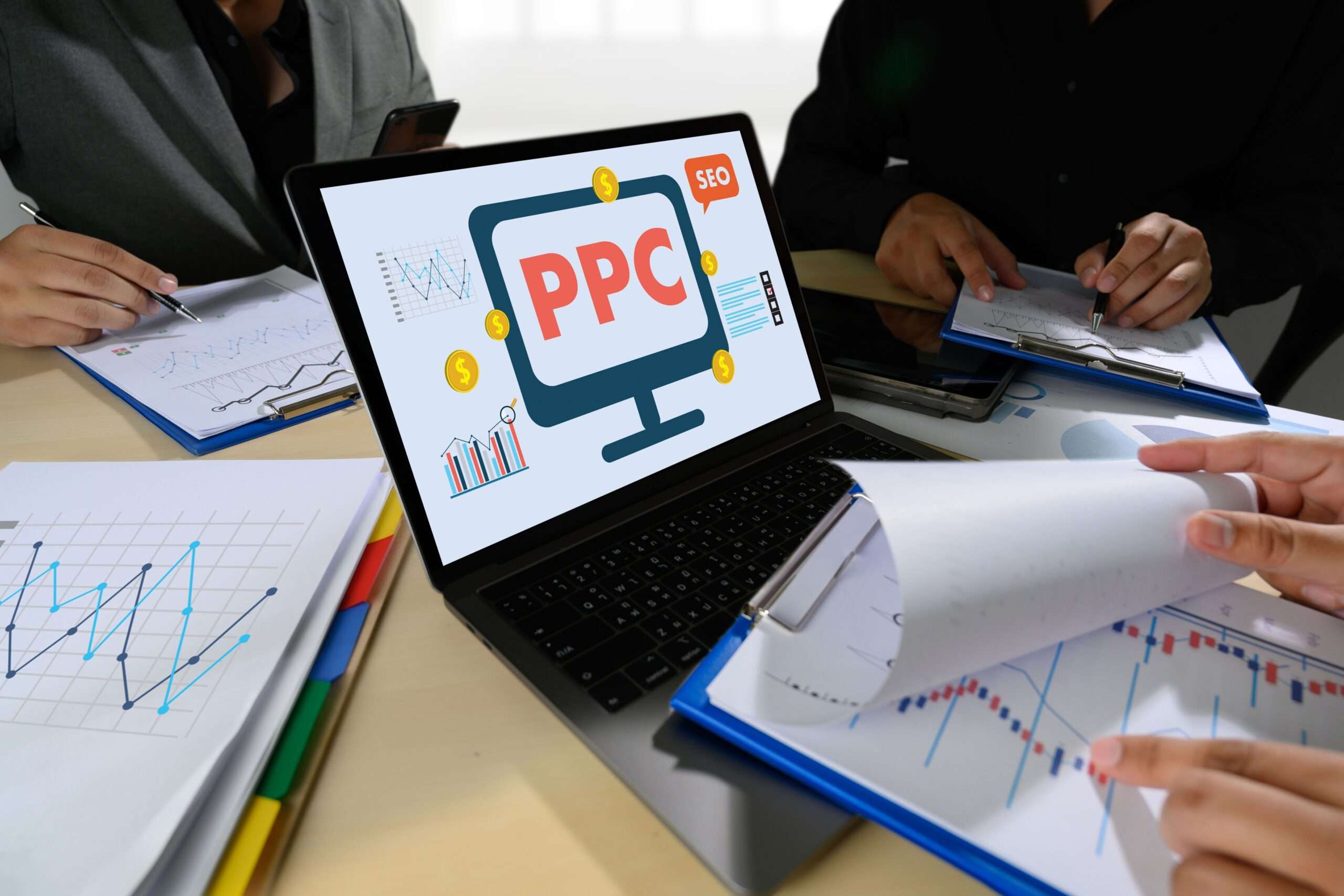
PPC (Pay-Per-Click) advertising is a form of online marketing in which businesses pay a small fee every time a user clicks on their advert. This is not the same as generating organic traffic from search engines. Essentially, you’re paying to reach your ideal customer base.
So, does PPC actually work for small businesses? Of course! Many small businesses assume that PPC is for huge marketing firms with large budgets, but that’s just a myth. The key is to start small and be strategic. Most platforms let you set daily spending limits, so you stay in full control of costs. Plus, you can focus your ads on local audiences rather than national ones. That way, you’re reaching the people most likely to actually become customers.
Why Should Small Businesses Use PPC?
No long-term commitment
One concern for many small businesses is whether they’ll be locked into a PPC contract. Yet, this isn’t the case. PPC is completely flexible, so you can scale your spend up, reduce it, or stop it altogether.
Instant visibility
PPC campaigns can place your business at the top of search engine results pages in seconds, as opposed to SEO, which is a slow burner.
Target specific audiences
PPC creates specifically-targeted campaigns. Rather than showing adverts to a broad audience, they can be tailored to an exact audience. Therefore, if someone clicks your ad, you’ll have peace of mind that it’s not just a ‘mistake’.
Measurable results
Through PPC, businesses can track important metrics such as clicks, impressions and ROI. Having this insight makes it easier to understand what’s working and what’s not – so you can make the relevant improvements.
Control over your budget
One of the major misconceptions about PPC is that it’s unaffordable for small businesses. However, you always have full control over how much you spend. It could be as little as a few pounds per day.
Supports your wider marketing strategy
PPC works best when it’s part of a wider digital marketing strategy rather than on its own.
PPC is great for driving immediate traffic. SEO, on the other hand, focuses on building your organic presence over time by improving your rankings in search results. Think about this: Customers are far more likely to trust a website that ranks at the top of SERPs than one that’s buried down the list. While general SEO takes longer to show results, it helps create a sustainable flow of traffic.
Learn about branded vs non-branded paid search.
Which Platform Should I Use for Paid Ads?
There are several platforms available to host paid ads, but not all will be suitable for your business. Here are some of the most popular:
Google Ads
For many small service businesses, Google Ads is often the best place to start. Google allows your adverts to appear when people are actively searching for the type of products or services you offer. For example, if someone searches for “local accountant”, a well-targeted Google Ads campaign can place your business at the top of SERPs.
Bing Ads
Although it doesn’t have the same market share as Google, Microsoft Advertising (formerly Bing Ads) can be a cheaper option. Competition is often lower-priced (up to 50% less than Google Ads). However, it’s worth noting that Bing tends to have a more mature demographic (over 50% are over 35) and is used largely in business-to-business environments.
Facebook and Instagram Ads
Did you know the average social media user spends around 2.5 hours a day scrolling through platforms like Facebook? That’s why Facebook Ads has become one of the most powerful platforms for targeting online audiences. Rather than placing ads based on what they’re searching for, Facebook allows businesses to reach users based on their interests, behaviours and demographics.
Brands in sectors such as fashion, fitness and home interiors often perform well on Instagram ads because they can showcase their products and services through eye-catching visual content.
As both platforms are part of Meta’s advertising network, businesses can often run campaigns from the same advertising account. This, in turn, helps to maximise reach and streamline campaign management.
YouTube Ads
Video adverts on YouTube allow brands to showcase products and share customer testimonials. This allows customers to gain a more visual insight into the brand. However, it’s not always the most cost-effective form of advertising. Video content may require more time and resources than standard PPC adverts.
What Should a Small Business PPC Budget Be?
Businesses should be spending at least £300 per month on PPC advertising. However, the minimum required spend for your specific company depends heavily on your industry and long-term goals.
At this level, there’s usually enough activity to gather and test meaningful data and understand how your campaigns are performing.
Budgets aren’t fixed, so you can adjust your spend at any time. However, it’s worth noting that a higher budget generally increases your visibility. The more you invest, the more opportunities your ads have to enter auctions and appear in search results.
PPC Best Practices for Small Business Success
Getting the most out of PPC (Pay-Per-Click) advertising isn’t just about launching ads and hoping for results. There are several best practices to keep in mind to help you achieve great results.
Set a realistic budget
While PPC often costs less than you may expect, it still needs a realistic level of investment. As a general rule of thumb, a starting budget of around £300 per month is recommended to generate generous results.
Choose the right platform
As mentioned previously, not every advertising platform will be right for every business. The key is to choose the platform where your target audience is most likely to be active and engaged, rather than spreading your budget too thin across multiple channels.
Create ads that reflect your brand
Your adverts should feel like a natural extension of your brand. Be conscious of consistency in tone, messaging, and visuals. This is important because uniformity builds recognition and trust, as people begin to recognise your brand and feel more confident investing in your business. Remember, you only have a few seconds to capture users’ attention before they click back – make it count.
Set clear goals
Before launching a PPC campaign, define what success looks like. Are you trying to increase brand awareness, generate sales or promote a specific offer? Clear objectives make it easier to measure whether your campaigns are performing as you had hoped.
Create a relevant landing page
What happens once the user clicks your website? The page they land on needs to align with your advert’s message to drive conversions. If your ad refers to a specific service or offer, the landing page should reflect that.
Define targeting and audience strategy
Targeting is a crucial aspect of any PPC campaign. This includes selecting the right keywords and geographic locations, and identifying relevant demographics. The more specific and relevant your audience targeting is, the more efficiently you use your budget.
Remember – compelling ad copy is part and parcel of winning over users. It should clearly communicate what you offer and encourage users to take action.
Measure campaign performance
One of the biggest advantages of PPC is its measurability. By setting up proper tracking, you can monitor exactly how your ads are performing in terms of clicks, conversions, and return on investment. From this, you can make well-informed decisions about where improvements are needed.
Invest in PPC Management for Small Businesses
PPC can be a really effective way for small businesses to get noticed online quickly and inexpensively.
At Logica Digital, we work closely with small businesses to manage and optimise paid media campaigns. As a digital marketing agency based in Wakefield, we specialise in helping SMEs make the most of their advertising budget, ensuring every campaign is set up to deliver measurable results. So, what are you waiting for? Get in touch with Logica Digital to find out more about PPC services for small businesses.
